
In the modern architectural landscape, we’ve moved past the era where a building was simply a shelter. Today, a structure is a living system. As we pivot toward a more sustainable global economy, the most effective tool in our arsenal isn’t necessarily the flashiest—it’s the invisible barrier tucked behind your drywall.
At Beote Construction energy-efficient insulation is the silent hero of sustainable construction. It’s the difference between a house that “leaks” money and a high-performance home that maintains its own equilibrium. Here is how we approach the implementation of next-generation insulation to build a more resilient future.
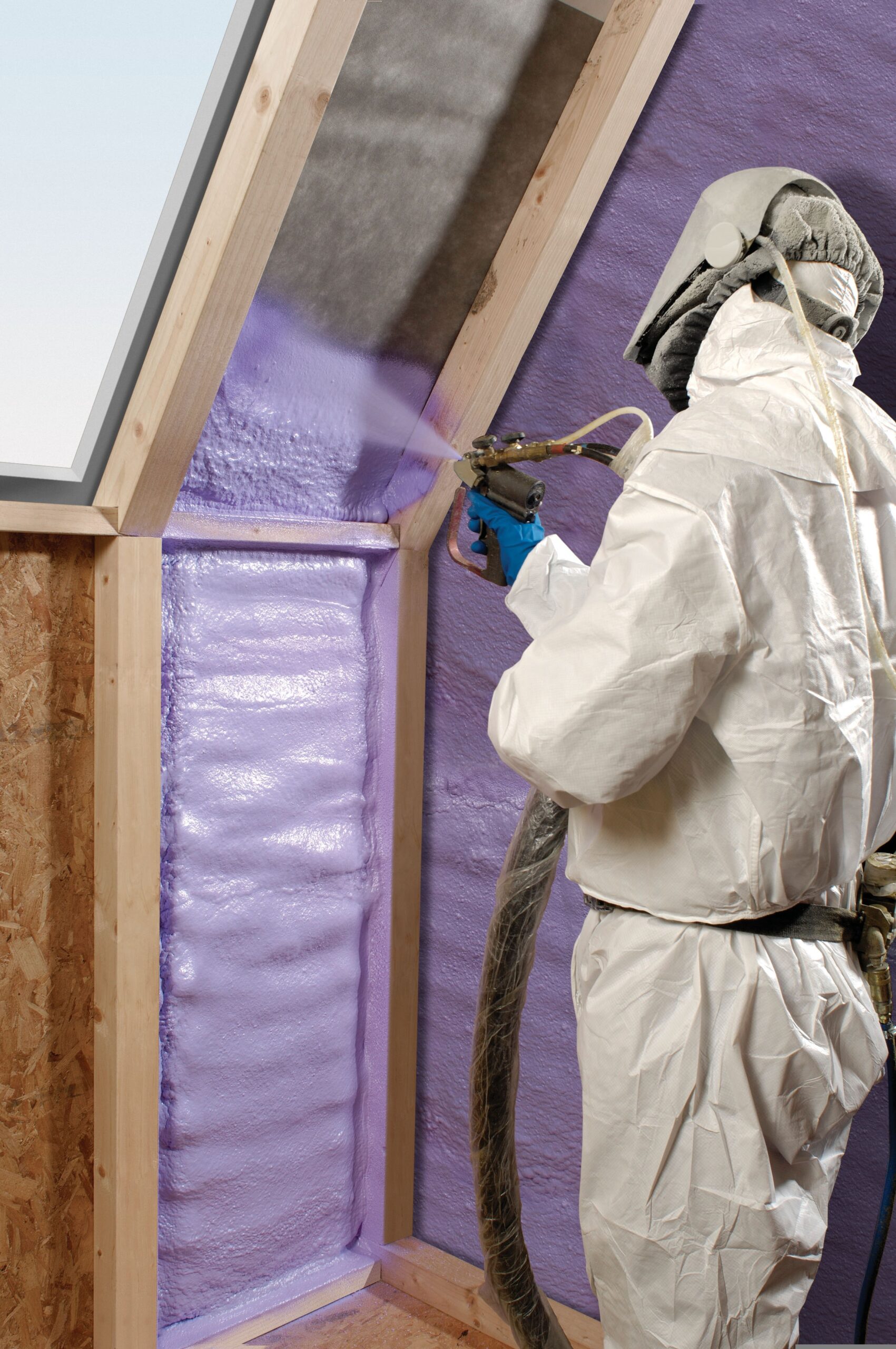
The Philosophy: Beyond the R-Value
For decades, the industry focused almost exclusively on R-value—the measure of a material’s resistance to conductive heat flow. While high R-values are important, true energy efficiency requires a holistic look at the “building envelope.”
We don’t just “stuff” walls with fiberglass anymore. Effective implementation involves managing three distinct types of heat transfer:
- Conduction: Heat moving through solid materials.
- Convection: Heat moving through air currents.
- Radiation: Heat moving via electromagnetic waves (like sunlight hitting a roof).
By addressing all three, we create a thermal bridge-free environment that significantly reduces the load on HVAC systems.
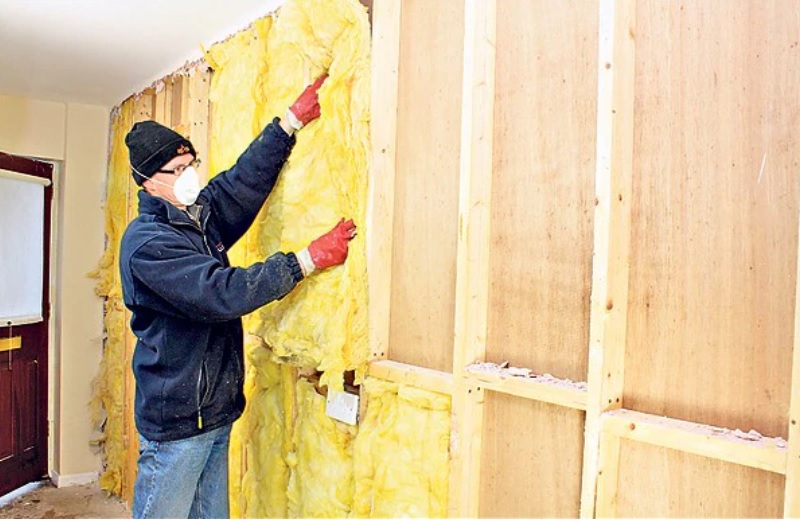
Phase 1: Material Selection and Sustainability
The first step in our implementation process is choosing materials that provide high performance with a low environmental footprint. The “greenest” insulation is one that saves energy over its lifespan while requiring minimal energy to produce.
- Mineral Wool: Derived from basalt rock and recycled slag, it offers superior fire resistance and sound dampening alongside thermal benefits.
- Cellulose: Made from recycled newspaper treated with borates for fire resistance, this is a champion of the circular economy.
- Rigid Foam Boards (with low GWP): When we use foam, we prioritize products with low Global Warming Potential blowing agents, ensuring the material doesn’t off-gas harmful chemicals.
- Aerogel and Vacuum Panels: For high-end projects where space is at a premium, these “space-age” materials offer incredible R-values in ultra-thin profiles.
Phase 2: Precision Installation and Air Sealing
Even the best insulation is useless if air is whistling through the gaps. In fact, a 1mm gap in a building’s exterior can reduce the effective R-value of the surrounding insulation by up to 50%.
Our implementation strategy prioritizes Aero-sealing and Continuous Insulation (CI). Traditionally, wooden or steel studs act as “thermal bridges,” allowing heat to bypass insulation. To combat this, we wrap the entire exterior of the building in a continuous layer of rigid insulation. This acts like a thermal “blanket,” ensuring that the structural skeleton of the building doesn’t become a highway for heat loss.
Phase 3: Smart Vapor Management
A common mistake in insulation is forgetting that buildings need to “breathe.” When you seal a building tightly to save energy, you risk trapping moisture inside, which leads to mold and structural decay.
We implement Smart Vapor Retarders. These are membranes that change their permeability based on humidity levels. In the winter, they stay closed to keep indoor humidity from entering the cold wall cavity. In the summer, they open up to allow any trapped moisture to escape. It’s a sophisticated way of ensuring that our pursuit of energy efficiency doesn’t compromise the health of the occupants or the longevity of the structure.
The Economic and Environmental Impact
Why go to these lengths? The data speaks for itself. Buildings are responsible for nearly 40% of global carbon emissions, much of which is attributed to heating and cooling.
By implementing high-performance insulation:
- Homeowners save: Energy bills can drop by 15% to 45% depending on the climate.
- The Grid recovers: Reduced peak demand means less stress on our energy infrastructure.
- Comfort increases: No more “cold spots” near windows or drafty hallways. The temperature remains consistent from floor to ceiling.
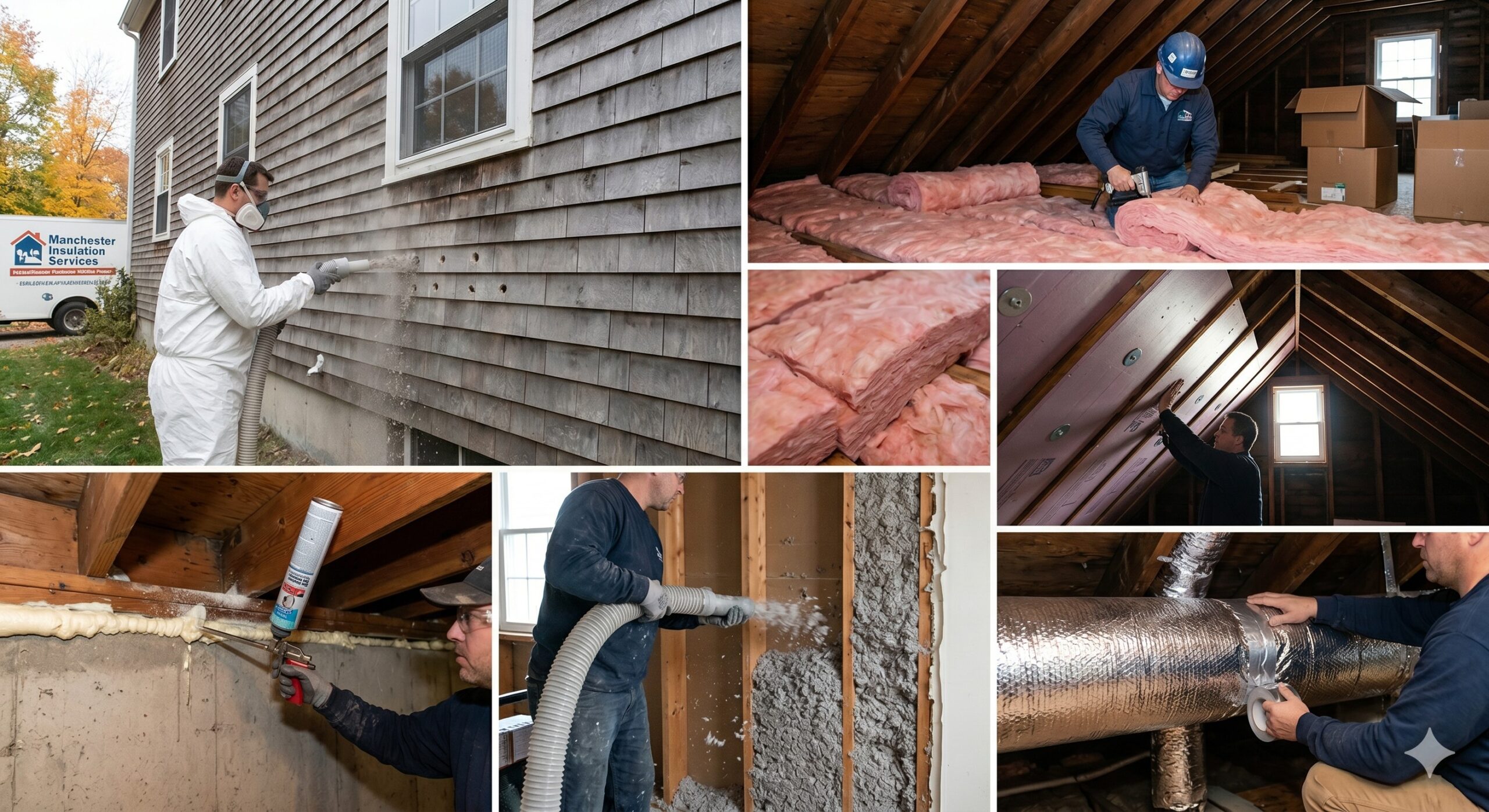
Looking Ahead: The Path to Net Zero
The future of insulation isn’t just static material; it’s dynamic. We are currently reading about Phase Change Materials (PCMs)—insulation that can store and release thermal energy by melting and solidifying at specific temperatures. Imagine a wall that absorbs the heat of the afternoon sun and releases it into the house only when the temperature drops at night.
Building for the future requires us to stop looking at insulation as a commodity and start seeing it as a high-tech component of a carbon-neutral world. It is the most cost-effective way to reduce our carbon footprint, and it starts with doing the “invisible” work right the first time.
When we build, we don’t just build for today’s comfort; we build for the next century’s climate. Through precision, sustainable materials, and smart engineering, we’re making sure the future stays warm.
Best Construction Company in Southern NH
Hiring a professional builder who is an expert in the field is an essential when planning to insulate your new home.
Need a beautifully constructed quality new home? Beote Construction is the premier building and construction company in the state. Let them build your dream home. Take a look here for their latest projects.